About 321 minutes
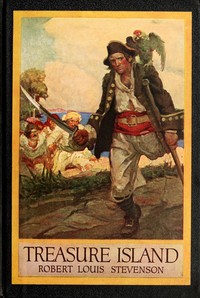
Treasure Island — A Closer Reading
Adventure Picaresque Fiction
73,685 recorded words. 2 minutes difference from this book's estimate.
View Gutenberg source #120

This digital edition of The cave girl — Themes and Context is described by source-level measurements including 74,090 words, 5 hr 23 min estimated reading time, and 8 detected text sections.
The text analysis averages about 19.1 words per sentence, while the detected sections provide another way to judge how the source is divided.
Project Gutenberg metadata also associates the work with “Science fiction,” connecting these edition facts with the source record’s subject description.
Explore this collection
These alternatives are selected using recorded categories and estimated reading time.
About 321 minutes
Adventure Picaresque Fiction
73,685 recorded words. 2 minutes difference from this book's estimate.
View Gutenberg source #120About 308 minutes
Adventure Picaresque Fiction
70,780 recorded words. 15 minutes difference from this book's estimate.
View Gutenberg source #1644About 349 minutes
Adventure Picaresque Fiction
80,245 recorded words. 26 minutes difference from this book's estimate.
View Gutenberg source #1154Search stored excerpts and compare books → Choose by your preferences →
Choices use stored catalog measurements. Estimates vary with reading speed. A shared category is a catalog label, not a claim that two books have the same argument or literary quality.
Search reads excerpt text stored with this catalog and links to its associated Gutenberg record. The connection is stored in the site database; this tool does not recheck that every excerpt is word-for-word identical to that external record. Excerpt search does not cover every chapter and does not verify historical publication dates.
Catalog snapshot checked: 2026-09-25. Coverage: 95 public books, 95 available source excerpts.
Read the complete public-domain text at its original source.
Read on Project GutenbergThe opening chapter introduces Waldo Emerson Smith-Jones, a six-foot-two Boston intellectual whose physique is as weak as his learning is vast. Cast ashore after a sea voyage undertaken for his health, he spends three weeks paralyzed by fear of a shadowy presence that emerges from the forest each dusk. Burroughs establishes the protagonist’s extreme timidity through physical details—trembling limbs, cold sweat, and tears—and through the contrast between his cultured upbringing and the raw setting. The narrative voice is direct, with short, punchy sentences that mirror Waldo’s staccato terror.
The early chapters trace Waldo’s transformation from a terrified castaway into Thandar, king of a primitive tribe. The shift is not instantaneous: he first survives by hiding on the beach, then gradually ventures inland. The excerpts show him learning to hunt, fight, and eventually challenge the existing rulers, Flatfoot and Big Fist. A key turning point comes when he introduces a novel concept of kingship: instead of rule by the strongest fighter, he proposes that the tribe choose a king and protect him collectively. This idea, presented in a council scene, marks Waldo’s intellectual adaptation to his environment. The narrative emphasizes his use of persuasion and logic rather than brute force, a departure from typical adventure fiction of the period.
Burroughs employs a third-person narrator who maintains a slightly ironic distance from Waldo’s early panic. Phrases like “his distorted imagination” and “animated encyclopedia” signal a wry judgment of the protagonist’s initial helplessness. The prose is efficient, favoring action and dialogue over introspection. In the later council scene, the narrator steps back to let Thandar’s speeches carry the argument, using repetition and rhetorical questions to underscore the democratic idea. The tone shifts from mockery to respect as Waldo earns his new name. This narrative flexibility allows the reader to track the character’s growth without explicit commentary.
Two motifs recur across the excerpts. The first is the shadow: the opening chapter dwells on “the dim shadow of the thing” that haunts Waldo, a symbol of his fear and the unknown. Later, shadows are replaced by clear sight as he gains confidence. The second motif is naming: the protagonist sheds “Waldo Emerson Smith-Jones” for the single, powerful name “Thandar,” bestowed by the tribe. This renaming marks his rebirth as a leader. The catalog subjects list “Cave dwellers” and “Islands,” but the excerpts suggest the cave setting is less central than the social transformation. Readers should watch for how these motifs recur and evolve.
Waldo defies the typical adventure protagonist. He is not a rugged outdoorsman but a bookish, sickly young man who overcomes through intellect. His proposal for a democratic kingship—where the king serves the tribe’s will and is protected by the majority—is a radical idea in a genre often celebrating individual might. The excerpts show him articulating this vision with clarity and patience, winning over skeptics by addressing their concerns. This intellectual heroism is the book’s distinctive feature. Readers expecting a Tarzan-like figure will find instead a story about the power of ideas in a primitive setting. The narrative rewards attention to Waldo’s arguments and their gradual acceptance.
The excerpts offer a complete arc from terror to leadership, but the full novel likely extends this journey with further challenges. Pay attention to how Burroughs balances action with Waldo’s intellectual growth, and note the role of Nadara, the cave girl of the title, who appears only briefly in the provided text. Her presence may complicate or deepen the themes of civilization versus savagery. The book rewards readers who enjoy watching a character remake himself through wit and will.
Reading about Waldo’s terror of that island shadow, I remembered the same weight in my chest as a boy, hiding from nothing in particular in our boarding house stairwell. Joe the Hotel Boy; Or, Winning out by Pluck — Reading Notes felt like a lantern then, proof that pluck could outlast any dark. Something about that quiet stubbornness carries over, even now.
Your answers remain private and are stored only in this browser.